DUE TO SPAM, SIGN-UP IS DISABLED. Goto Selfserve wiki signup and request an account.

DUE TO SPAM, SIGN-UP IS DISABLED. Goto Selfserve wiki signup and request an account.
...
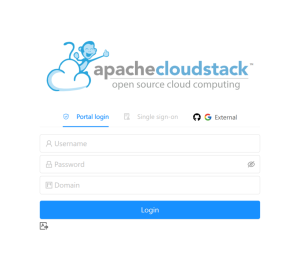
Step 1: List Providers
ListOAuthProvidersCmd gets called when the user hits the login page. It's sessionless, so it implements APIAuthenticator — ; the authenticate() hook lets it run without a session. It lists OAuth providers (global and domain-based), with oauth2.enabled checked per-domain to set the enabled flag on each provider.
...
User clicks the provider button. Browser redirects to GitHub with the client_id. GitHub authenticates the user and redirects back with a one-time auth code. The secret_key never leaves the backend.
| Code Block |
|---|
Browser GitHub │ │ │ GET /login/oauth/authorize │ │ ?client_id=Ov23liDRnt6bVJ │ │ &scope=user:email │ │──────────────────────────────────→│ │ │ │ User logs in, clicks "Allow" | │ │ │ 302 Redirect to: │ │ verifyOauth?code=AUTH_CODE │ │←──────────────────────────────────│ ▼ VerifyOauth.vue catches ?code=AUTH_CODE |
Step 3: Verify Code and Fetch Email
UI calls verifyOAuthCodeAndGetUser with the auth code, provider, and domain. VerifyOAuthCodeAndGetUserCmd resolves the domain via resolveDomainId(), then passes it to _oauth2mgr.verifyCodeAndFetchEmail() — which looks up that domain's OAuth credentials from the DB, exchanges the auth code for an access token at GitHub's token endpoint, fetches the user's email, and returns it to the UI.
...
UI calls oauthlogin with the email, provider, auth code, and domain. OauthLoginAPIAuthenticatorCmd resolves the domain, checks oauth2.enabled for it, finds the CloudStack user by email, then calls loginUser(). On success, records OauthLogin=true and returns a session key. oauth2.enabled is checked in both Step 1 (hides buttons if disabled) and Step 4 (backend safety net against direct API calls).
| Code Block |
|---|
OauthLoginAPIAuthenticatorCmd.authenticate() │ ├── resolves domain ├── checks oauth2.enabled for domain ├── finds user by email │ ├── _apiServer.loginUser(username, password=null, domainId) │ │ │ ▼ │ OAuth2UserAuthenticator.authenticate() │ ├── checks oauth2.enabled for domain (again) │ ├── calls GithubOAuth2Provider.verifyUser(email, code, domainId) │ │ ├── looks up domain credentials from DB │ │ ├── exchanges code with GitHub │ │ └── compares emails │ └── returns true → login succeeds │ ├── records OauthLogin=true └── returns session key → UI redirects to dashboard |
How loginUser() triggers GitHub verification: loginUser() doesn't know about OAuth — ; it delegates to accountMgr.authenticateUser(), which loops through all registered UserAuthenticator implementations. OAuth2UserAuthenticator sees provider=github and and secretcode in the request params, picks it up, looks up GithubOAuth2Provider from the manager's map, and calls verifyUser(email, secretCode, domainId). The original HTTP request params flow through the entire chain as the thread connecting everything.
| Code Block |
|---|
OauthLoginAPIAuthenticatorCmd.authenticate() → _apiServer.loginUser() [ApiServer.java:1243] → accountMgr.authenticateUser() [AccountManagerImpl.java:2850] → for (authenticator : _userAuthenticators) [line 2939] → OAuth2UserAuthenticator.authenticate() [OAuth2UserAuthenticator.java:48] → GithubOAuth2Provider.verifyUser() [GithubOAuth2Provider.java:70] |
Step 5: Login Page (External Tab) Behavior
response.listoauthproviderresponse.count > 0domain=<path>Admin commands — how providers get registered/updated/deleted
...
DB migration — schema changes (domain_id column, FK, unique key)
Config change — oauth2.enabled scope from Global to Domain
GitHub/Google provider internals — DAO lookup changed from findByProvider() to findByProviderAndDomainWithGlobalFallback()
...
domain_id = NULL indicates a global provider(provider, domain_id) prevents duplicate registrationsThe oauth2.enabled config key uses a new strictScope mode in ConfigKey.valueInScope() to prevent automatic inheritance from global to domain scope. Each domain must explicitly set oauth2.enabled=true to enable OAuth login.
| Global oauth2.enabled | Domain oauth2.enabled | OAuth enabled for domain? |
|---|---|---|
| false | not configured | No |
| false | true | Yes |
| false | false | No |
| true | not configured | No (no global fallback) |
| true | true | Yes |
| true | false | No |
Key difference from standard ConfigKey behavior: without strict scope, an unconfigured domain inherits the global value. With strict scope, unconfigured domains return null which is treated as disabled. This ensures domains must explicitly opt in to OAuth.